
Back to the journal
Remanufacture 10 March 2025 4 min read

Why Choosing a Sustainable Office Chair is the Smartest Decision for Your Business

Understand how remanufactured office chairs extend product life, reduce waste and deliver high-quality seating without the environmental cost of buying new.

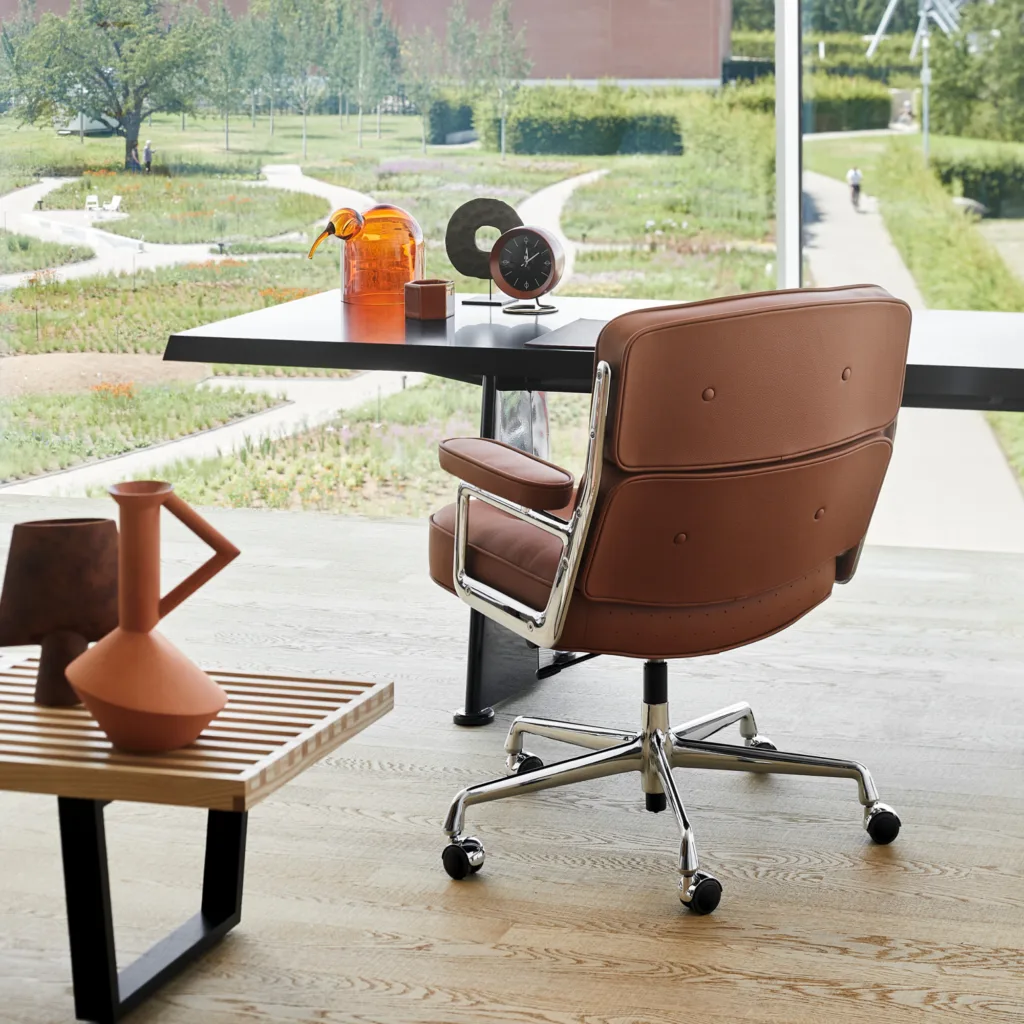
Remanufactured office chair in a bright modern workspace

As businesses move towards greener practices, the demand for sustainable office chairs is growing rapidly. Traditionally, companies replaced their office chairs with new models, often unaware of the environmental impact and cost inefficiencies.

With sustainability becoming a key factor in corporate decision-making, remanufactured office chairs are emerging as an eco-friendly and cost-effective alternative to buying new. For businesses looking to improve their environmental footprint without compromising on quality or comfort, remanufacturing is a practical solution.

What is a sustainable office chair?

A sustainable office chair prioritises reuse, reduced waste and minimal environmental impact throughout its lifecycle. Instead of being discarded after a few years of use, these chairs are remanufactured or refurbished so businesses can extend their lifespan without resorting to landfill disposal.

There are two primary methods of giving office chairs a second life: refurbishment and remanufacturing.
Office chair refurbishment

Refurbishment involves repairing and upgrading an existing chair to restore its function and appearance. This method can include:

  • Replacing worn-out components such as casters, armrests or upholstery.
  • Cleaning and refinishing surfaces to improve aesthetics.
  • Carrying out basic mechanical repairs to restore functionality.

Office chair remanufacturing

Remanufacturing is a more comprehensive and sustainable process. Each chair is fully disassembled down to its core components, then cleaned, repaired and rebuilt using as many original materials as possible.

Rigorous testing and quality control bring the chair back to a like-new standard. Unlike refurbishment, which may involve using new materials, remanufacturing can reuse around 82–90% of existing components.

  • Fully disassembling each chair down to its core components.
  • Cleaning, repairing and reusing as many original materials as possible.
  • Rebuilding chairs to a like-new standard with rigorous testing.
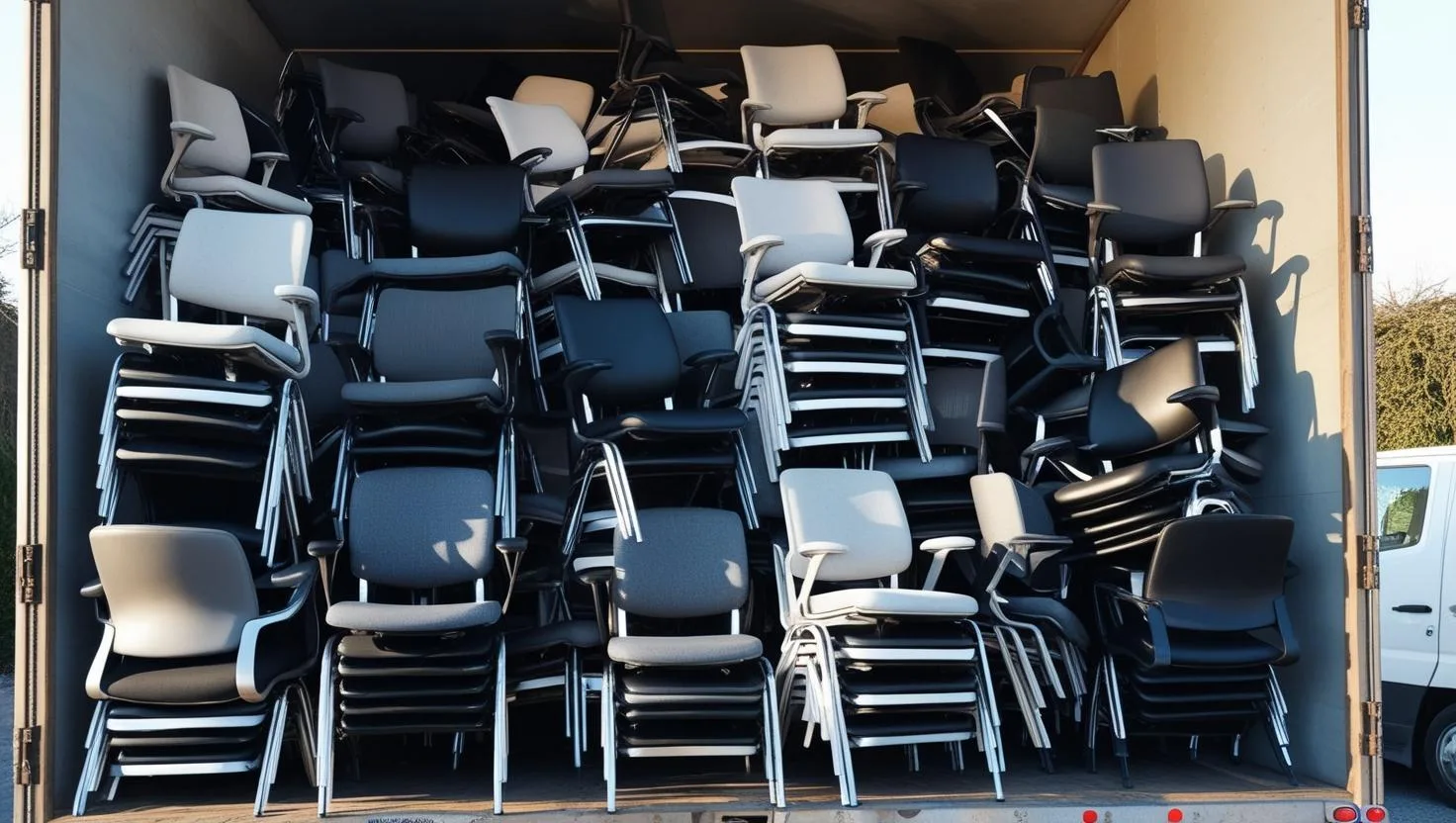
Collected office chairs ready for a second life

The environmental benefits of a sustainable office chair

By choosing remanufacturing over replacement, businesses extend the life of premium office chairs from brands such as Herman Miller, Knoll, Vitra, Sedus and Humanscale while keeping useful materials in circulation.

1. Reducing landfill waste

Every year, millions of office chairs are discarded. A sustainable office chair helps keep furniture in circulation, reducing unnecessary disposal and supporting a circular economy where materials are continuously reused rather than thrown away.

2. Cutting carbon emissions

The production of a new office chair generates emissions through raw material extraction, manufacturing and transportation. Remanufacturing keeps CO₂ emissions below 10 kg per chair in many projects, making remanufactured seating one of the most carbon-efficient office furniture solutions available.

3. Reducing resource consumption

Manufacturing new office chairs requires substantial amounts of plastic, metal and energy. Reusing up to 90% of existing materials significantly cuts resource consumption and reduces the need for environmentally damaging production processes.

Making the switch to sustainable office chairs

Businesses seeking a more responsible approach to office furniture should consider remanufacturing as the primary alternative to buying new. It can offer substantial cost savings while reducing waste, emissions and resource consumption.

By choosing sustainable office seating, businesses can extend the lifespan of high-quality furniture, reduce their impact on the environment and enhance their workplace sustainability efforts.

  • Extend the lifespan of high-quality office seating.
  • Reduce the environmental impact of a workplace refresh.
  • Support a more circular approach to furniture procurement.
All journal articlesSpeak to Encore